
Trust Wallet Network Fees: What Changed and Why It Matters
Network fees in crypto have transformed from an afterthought into a major cost factor that can make or break a transaction. When I first started using Trust WalletUnderstanding the evolution of Trust Wallet's network feesTrust Wallet Network Fees: What Changed and Why It Matters, a simple ETH transfer barely registered on my radar. Fast forward to today, and gas fees dominate every decision I make before signing a transaction. Understanding how these fees have evolved is essential for anyone navigating the blockchain space with confidence.
Network fees exist to compensate validators who process and secure transactions on the blockchain. Trust Wallet itself does not charge these fees — they go directly to the network. This distinction matters because many newcomers mistakenly believe the wallet provider is taking a cut. The fee amount fluctuates based on network demand,and during peak hours, costs can spike dramatically regardless of which wallet you use.
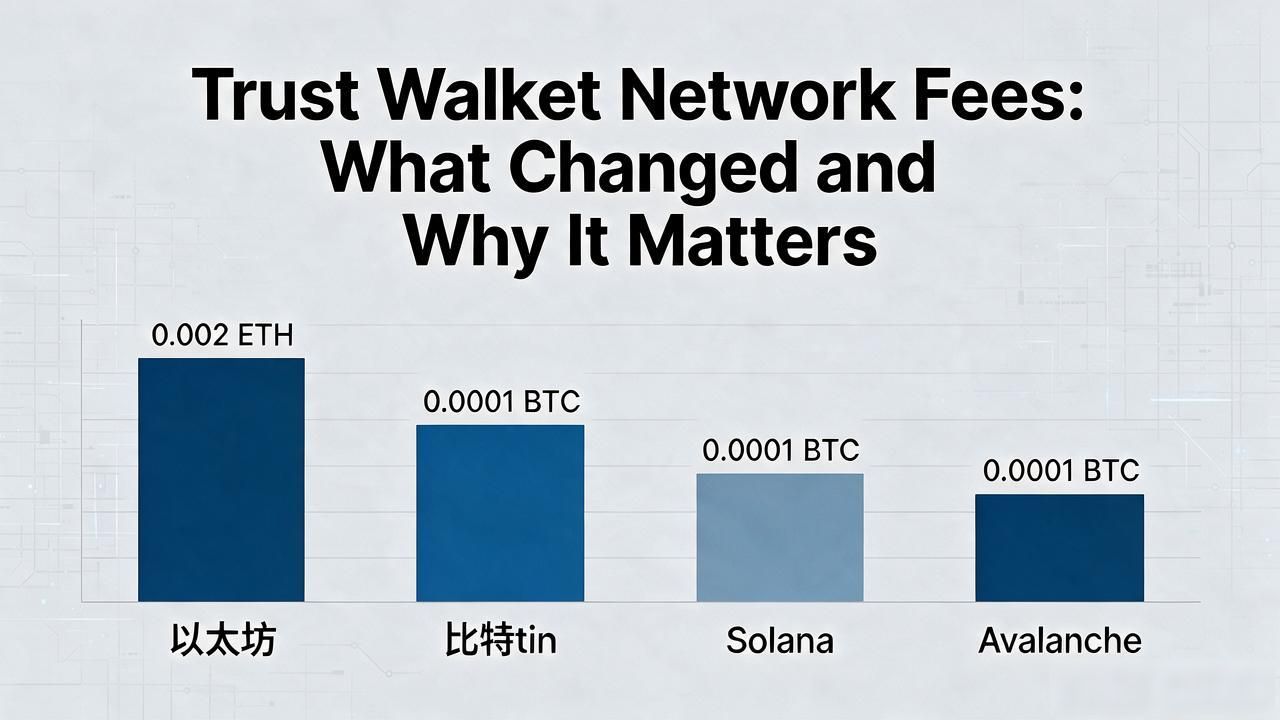
The evolution becomes clearer when comparing different blockchains. Ethereum, the most popular network for DeFi, has consistently carried the highest gas costs due to its congested state. Bitcoin remains similarly expensive for standard transfers. Meanwhile, newer chains like Solana and Avalanche offer rock-bottom fees, sometimes less than a penny per transaction. This diversity in pricing forces users to choose their network strategically rather than assuming all chains cost the same.
Market conditions also shape fee structures over time. The 2020 DeFi summer introduced Ethereum's EIP-1559 upgrade, which changed how gas was calculated and burned. These structural changes made fee estimation more predictable but not necessarily cheaper during high-demand periods. Layer 2 scaling solutions like Arbitrum and Optimism further disrupted the landscape by offering faster, far cheaper transactions while maintaining Ethereum security. Trust Wallet adapted by supporting these networks alongside the originals.
The future will likely bring even more variation as different blockchains refine their fee mechanisms. Staking rewards, protocol revenue models, and consensus upgrades will continue reshaping what users pay. Keeping up with these developments remains valuable for anyone managing a crypto portfolio through Trust Wallet or similar tools.
