


Trust Wallet download frameworks reflecting user realities Trust Wallet Download Realities
Download frameworks for crypto wallets rarely match how people actually install them. Trust Wallet's own onboarding pages echo that simplicity, yet the real path from "I want to store my coins" to a functioning wallet is far messier.
Most Trust Wallet onboarding guides assume a straight line: search the store, tap install, open, create wallet. In the field, that line bends constantly. A user in Lagos discovers the app through a church-group WhatsApp thread where someone shared a sideloaded APK because Google Play was restricted. A teenager in Manila finds it via a TikTok screen recording, types "Trust Wallet" into the App Store, and lands on a typosquatted clone. The download moment is not a single event but a collision of media,device, and local infrastructure. No framework that models only the App Store funnel captures these divergent entry points.
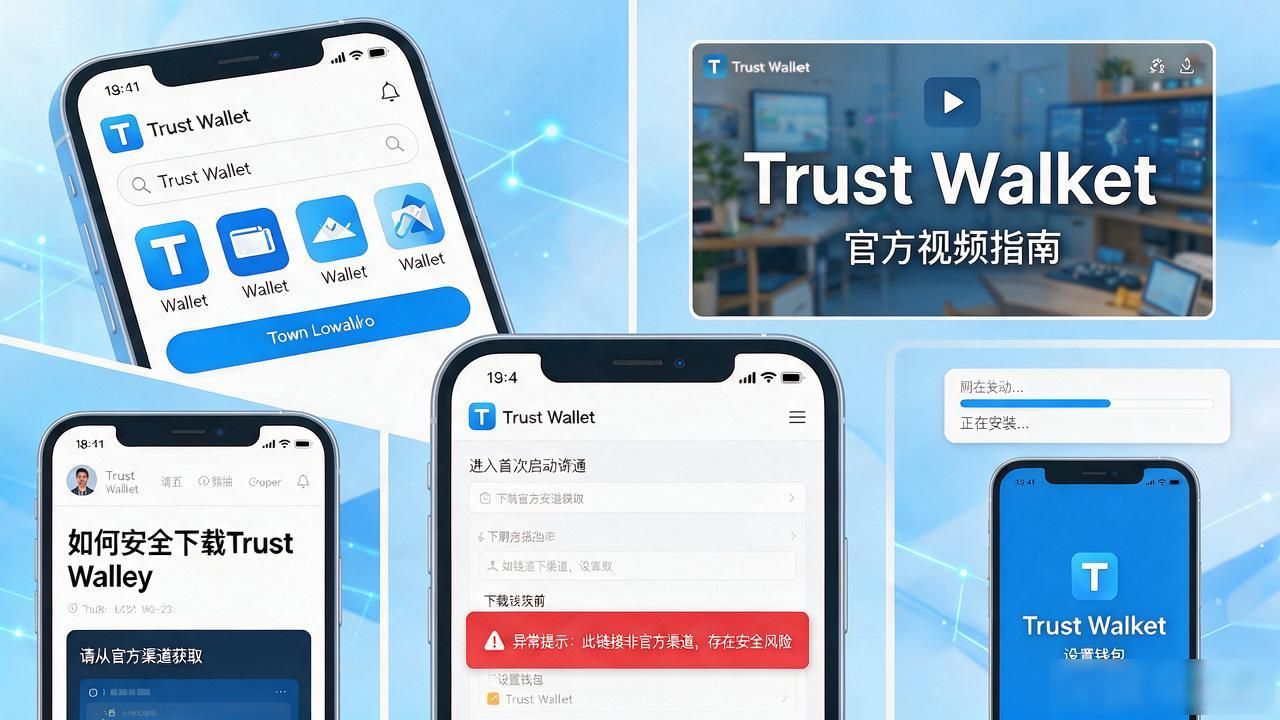
What the framework actually looks like in practice is a patchwork. A user touches four or five surfaces between discovering the app and holding a working wallet: a video, a forum post, the store listing, a peer's phone, and the first-launch screen. One downloading from an unofficial site hits a "developer not verified" Android warning and stalls. Another following a YouTube tutorial gets lost when the app's onboarding has shifted since the video was made. The gap between a recorded tutorial and the live app is where most first-time users drop off. Designers treating the download as a single funnel miss these handoffs.
Security anxiety reshapes the entire download sequence. A user who has read one "cold wallet vs. hot wallet" thread before touching Trust Wallet does not install with the same urgency as one who just wants to follow a cousin's coin trade. The anxious user pauses at the store page, screenshots the developer name,cross-checks it against a Reddit threadTrust Wallet download frameworks reflecting user realities Trust Wallet Download Realities, and sometimes abandons the install to ask a friend for confirmation. This verification loop has no place in any official download framework because the framework assumes a rational,informed actor. In emerging marketsTrust Wallet download frameworks reflecting user realities, a wrong tap can mean losing a month's salary worth of tokens.
The practical takeaway for anyone auditing Trust Wallet's download experience: stop designing one funnel and start mapping the constellation of touchpoints where a journey forks. Embed a visible developer-verification cue at the store-listing stage, not just after the app opens. Publish a plain-language "confirm you got the real app" page that a shared WhatsApp link can point to. In regions where sideloading is the norm, the download step becomes a multi-screen ritual involving file-manager warnings and permission dialogs. The framework that matches user reality is not a flowchart but a set of guardrails at every fork.